
Weather and timing
When to visit Brussels
Brussels has a maritime climate, closer to south-east England than to the hotter cities of southern Europe: often cloudy, seldom extreme, and changeable from one day to the next.
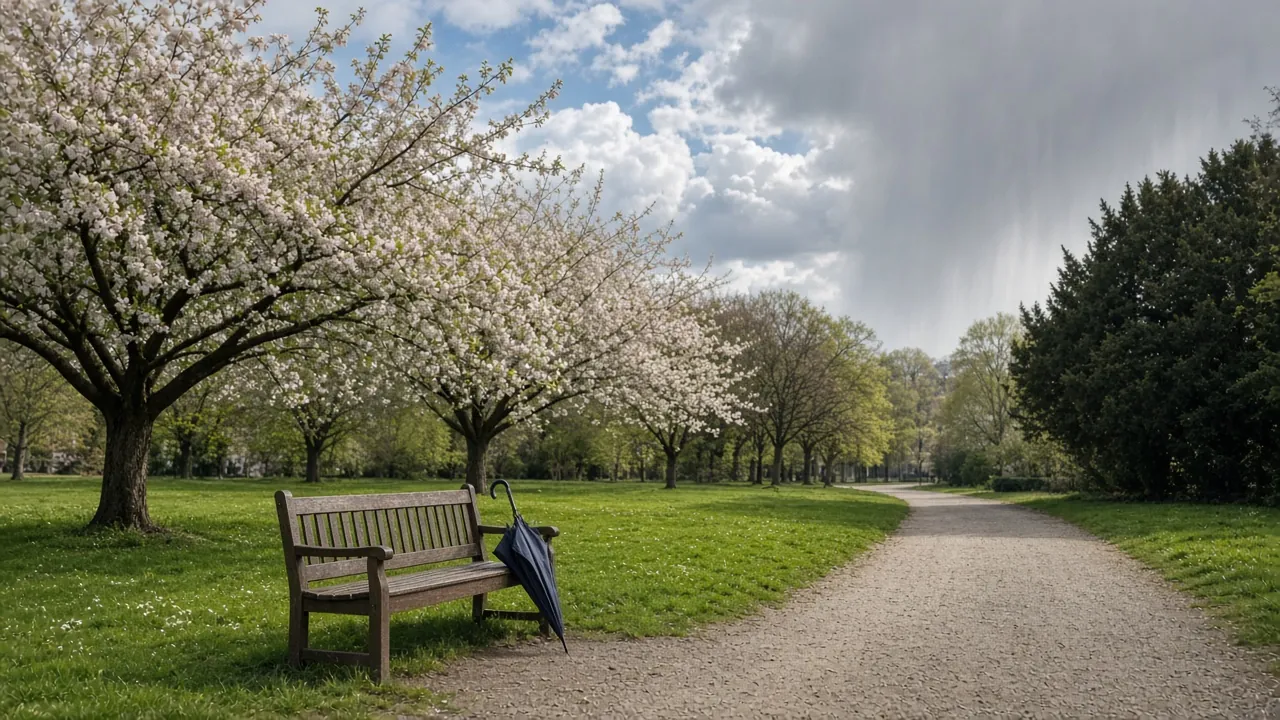
Rain is spread through the year, with plenty of overcast days in every season. Fine spells are common too, and they are the days to be outdoors in the parks and on the Grand-Place. Icy winds can arrive in winter; they are not the rule for every week of the season.
Summer
Summer is mild. Daytime highs in July and August are often around 21 to 23°C, and the evenings stay long. Many days are still partly cloudy, but rain rarely settles in for weeks on end. It is a good season if you want to avoid the heat of Mediterranean cities, and hotel rooms can be easier to find in August, when some of the European institutions are quieter.
Winter
Winter brings shorter days and a chill that is more grey than severe, though freezing spells do occur. It can be one of the more atmospheric times to walk the old squares, when the cafés are lit early and the terraces put out heaters. Pack a proper coat.
Spring and autumn
Spring and autumn are attractive walking seasons. The parks come into leaf or colour, the temperatures are comfortable by day, and the nights are cool enough for a sit in a café. The weather still mixes bright days with dull, wet ones, so a small umbrella is not a pessimistic thought. These months, and the conference calendar, can fill hotels; it is worth booking a room earlier than you might in midsummer. For what to see once you have picked a month, start with the introduction to Brussels.